
Electrician
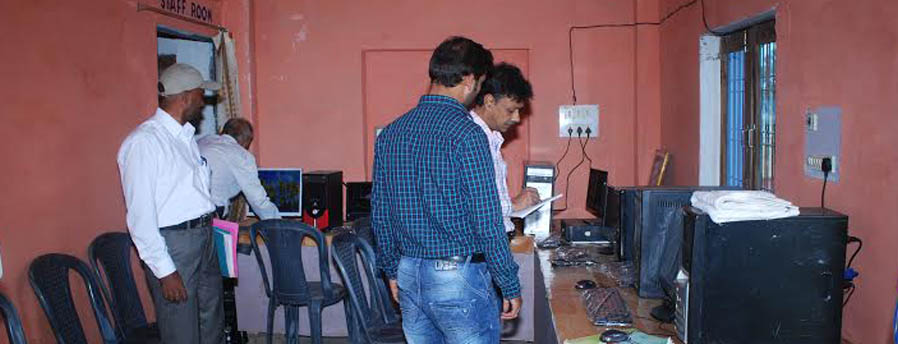
The Electrician trade is one of the most in-demand vocational courses offered under the Industrial Training Institutes (ITI) in India. With rapid growth in industries, infrastructure development, and housing projects, skilled electricians are highly required across government departments, private companies, and self-employment opportunities.
At Sairam ITI, we provide high-quality training in the Electrician trade, preparing students to become competent professionals who can work in various sectors including power generation, transmission, distribution, and electrical maintenance.
What is Electrician Trade?
The ITI Electrician trade is a 2-year vocational training program that focuses on installing, maintaining, repairing, and testing electrical systems and equipment. The course includes both theoretical knowledge and practical training, ensuring students are industry-ready after completion.
Students are trained in:
Electrical wiring and circuits
Motor winding and transformer maintenance
Domestic and industrial electrical installations
Power distribution systems
Renewable energy basics (solar, wind)
Electrical safety and standards
Duration of Electrician Trade
Course Duration: 2 years
Semesters: 4 (each semester of 6 months)
Mode: Full-time training with classroom + practical sessions
The course is structured to provide step-by-step learning, starting from basic concepts to advanced industrial applications.
Eligibility for Electrician Trade
To take admission in the ITI Electrician trade, candidates must meet the following criteria:
Educational Qualification: Passed 10th standard from a recognized board (with Science & Mathematics preferred).
Age Limit: Minimum 14 years, no upper age limit (varies by state rules).
Other Criteria: Physically fit and interested in working with electrical systems.
Electrician Trade Syllabus
The syllabus is designed by the Directorate General of Training (DGT), Ministry of Skill Development and Entrepreneurship, Government of India.
First Year
Trade Theory: Basics of electricity, Ohm’s law, AC/DC, electrical components.
Trade Practical: Wiring practice, use of tools, measurements, electrical circuits.
Workshop Calculation & Science: Basic mathematics and physics relevant to the trade.
Engineering Drawing: Electrical symbols, wiring diagrams, blueprint reading.
Employability Skills: Communication, IT skills, workplace safety.
Second Year
Trade Theory: Motors, transformers, alternators, switchgears, power distribution.
Trade Practical: Motor winding, fault finding, industrial wiring, panel installation.
Workshop Calculation & Science: Applied calculations in electrical engineering.
Engineering Drawing: Circuit diagrams, motor control schematics.
Employability Skills: Entrepreneurship, resume building, job interview preparation.
Skills You Will Learn
Electrical wiring and maintenance
Troubleshooting of electrical equipment
Motor winding and generator operation
Installation of domestic and industrial electrical systems
Handling of measuring instruments
Knowledge of electrical safety codes and practices
Career Opportunities After Electrician Trade
After completing ITI in Electrician trade, students have a wide range of opportunities:
Government Sector
State Electricity Boards
Railways
Public Works Department (PWD)
Defense services
Municipal corporations
Private Sector
Construction companies
Manufacturing industries
Power plants
Electrical appliance companies
IT parks and commercial buildings
Self-Employment
Start your own electrical workshop
Freelance electrician services
Contract work in housing and commercial wiring
Job Roles After Electrician Trade
Electrician
Wireman
Electrical Supervisor
Maintenance Technician
Lineman
Electrical Contractor
Motor Winding Technician
Panel Board Technician
Salary After Electrician Trade
The salary of an ITI Electrician depends on the sector and level of expertise.
Entry-level jobs: ₹10,000 – ₹15,000 per month
Skilled technician: ₹20,000 – ₹30,000 per month
Government jobs: As per pay scales (with allowances & benefits)
Self-employed electricians: Can earn ₹25,000+ per month depending on projects
With experience, electricians can become supervisors, contractors, or even start their own businesses.
Higher Studies After ITI Electrician
After completing Electrician trade, students can pursue:
Apprenticeship Training in government/private organizations
Diploma in Electrical Engineering (through lateral entry)
Advanced ITI courses (specialization)
NAC (National Apprenticeship Certificate) for higher career growth
Why Choose Electrician Trade at Sairam ITI?
At Sairam ITI, we ensure students get industry-standard training with strong placement support. Our program includes:
Modern electrical workshops with updated tools
Practical training on motors, transformers, and wiring systems
Experienced faculty with real-world expertise
Industrial visits and apprenticeship opportunities
Guidance for government job exams
Soft skill development for career growth
We focus not only on technical education but also on overall personality development to prepare students for successful careers.
Benefits of Becoming an Electrician
High Demand – Electricians are required in almost every sector.
Job Security – Skilled electricians always have steady work opportunities.
Self-Employment – Freedom to work independently as a contractor.
Growth Potential – Opportunities to move into supervisory and managerial roles.
Global Opportunities – Skilled electricians are also in demand abroad.
Conclusion
The ITI Electrician trade is an excellent career option for students who want to build a strong and stable future in the technical field. With a duration of just two years, the course offers both job opportunities and self-employment potential.
At Sairam ITI, we provide the perfect platform for students to learn, practice, and grow into skilled professionals. If you want a secure, rewarding, and respected career, the Electrician trade is the right choice for you.
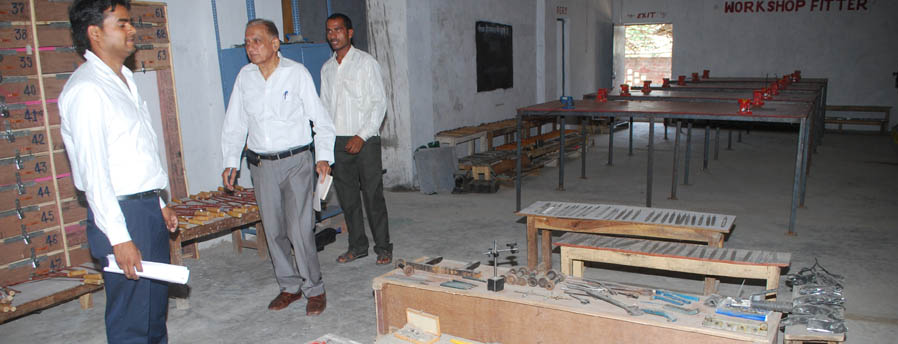
The Fitter trade is one of the oldest and most respected vocational courses offered by Industrial Training Institutes (ITI) across India. With industries, construction, railways, and manufacturing sectors constantly expanding, the demand for skilled fitters is always high. This trade offers excellent opportunities for employment, self-employment, and higher studies in the technical field.
At Sairam ITI, we provide comprehensive training in the Fitter trade, focusing on both theoretical knowledge and practical skills to prepare students for rewarding careers.
What is Fitter Trade?
The ITI Fitter trade is a mechanical vocational training program designed to train students in fitting, assembling, repairing, and maintaining mechanical parts and machines.
Fitters play a crucial role in industries as they are responsible for:
Marking, cutting, shaping, and joining metal parts
Assembling machinery and structural components
Repairing and maintaining mechanical systems
Ensuring precision in manufacturing processes
Following safety standards and engineering drawings
This trade builds a strong foundation for students who want to work in the mechanical and industrial sectors.
Duration of Fitter Trade
Course Duration: 2 years
Semesters: 4 (each semester of 6 months)
Mode: Full-time with classroom + practical training
The course is structured to ensure students gain progressive knowledge, from basic fitting skills to advanced industrial practices.
Eligibility for Fitter Trade
The basic eligibility criteria for admission into ITI Fitter trade are:
Educational Qualification: Passed 10th standard with Science and Mathematics from a recognized board.
Age Limit: Minimum 14 years, no maximum age limit (as per state rules).
Other Requirements: Interest in mechanical work and ability to work with tools and machines.
Fitter Trade Syllabus
The syllabus is designed by the Directorate General of Training (DGT), Ministry of Skill Development and Entrepreneurship, Government of India. It covers theory, practical sessions, employability skills, and workshops.
First Year
Trade Theory: Introduction to tools, materials, measuring instruments, types of metals, safety precautions.
Trade Practical: Filing, sawing, drilling, threading, measuring, and assembly practices.
Workshop Calculation & Science: Basics of mathematics, physics, and geometry used in mechanical fitting.
Engineering Drawing: Technical drawing, symbols, sketches, reading blueprints.
Employability Skills: Communication, IT basics, teamwork, workplace ethics.
Second Year
Trade Theory: Advanced topics such as welding basics, machine maintenance, hydraulics, pneumatics.
Trade Practical: Pipe fitting, machine assembly, shaft alignment, maintenance of gearboxes, bearings, and engines.
Workshop Calculation & Science: Applied mathematics and mechanical calculations.
Engineering Drawing: Detailed assembly drawings, sectional views, CAD basics.
Employability Skills: Entrepreneurship, job readiness, resume building.
Skills You Will Learn
During the Fitter trade, students will develop skills in:
Measuring and marking with precision instruments
Cutting, filing, drilling, and grinding operations
Machine part assembly and alignment
Welding and fabrication basics
Pipe fitting and maintenance work
Interpreting engineering drawings
Maintenance and repair of mechanical equipment
Safety standards and workplace management
Career Opportunities After Fitter Trade
Fitter is one of the most versatile trades, and students can find employment across multiple industries.
Government Sector
Railways (mechanical and maintenance departments)
Defense (Army, Navy, Air Force technical units)
Public Works Department (PWD)
State Transport Corporations
Municipal engineering departments
Private Sector
Manufacturing and production industries
Steel plants, cement factories, and shipyards
Oil & gas companies
Automobile companies
Construction and infrastructure projects
Self-Employment
Start a mechanical workshop
Provide repair and maintenance services
Work as a contractor in industrial fitting projects
Job Roles After Fitter Trade
Mechanical Fitter
Maintenance Technician
Assembly Line Worker
Pipe Fitter
Welding Assistant
Lathe Machine Operator
Machine Maintenance Fitter
Fabrication Assistant
Salary After Fitter Trade
The salary of an ITI Fitter depends on experience, industry, and job role.
Entry-level jobs: ₹10,000 – ₹15,000 per month
Skilled positions: ₹20,000 – ₹30,000 per month
Government jobs: As per pay scales (plus benefits and allowances)
Self-employed fitters: Earnings vary, but experienced fitters can earn ₹25,000+ per month
With experience and further qualifications, students can progress to supervisory and managerial roles.
Higher Studies After ITI Fitter
After completing the Fitter trade, students can pursue:
Apprenticeship Training in industries for practical exposure
Diploma in Mechanical Engineering (via lateral entry in polytechnics)
Advanced ITI courses in welding, machinist, or CNC programming
National Apprenticeship Certificate (NAC) for career advancement
Why Choose Fitter Trade at Sairam ITI?
At Sairam ITI, we provide top-quality training in the Fitter trade with a strong emphasis on hands-on experience and industry readiness.
Our program includes:
Modern mechanical workshops with updated machines
Training on real-world projects and equipment
Experienced instructors with industrial backgrounds
Regular industrial visits and guest lectures
Guidance for government job and apprenticeship exams
Personality development and employability skills training
Our goal is to ensure students are not only technically skilled but also confident in building their careers.
Benefits of Becoming a Fitter
High Demand – Fitters are required in almost every manufacturing and engineering sector.
Steady Career Growth – From technician to supervisor and foreman roles.
Self-Employment Potential – Start your own workshop or service business.
Global Opportunities – Skilled fitters are in demand abroad, especially in Gulf countries.
Foundation for Higher Studies – Provides a strong base for pursuing diplomas and degrees in engineering.
Conclusion
The ITI Fitter trade is a strong career option for students interested in mechanics, machines, and industrial work. With just 2 years of training, students can build a successful career in government jobs, private industries, or self-employment.
At Sairam ITI, we focus on practical skills, employability, and overall personality development to prepare students for the real world. If you are looking for a secure, respected, and rewarding career in mechanical engineering, the Fitter trade is the perfect choice for you.